Mastering Forehand and Backhand Fundamentals
Develop consistent and powerful ground strokes through essential techniques, proper form, and footwork mechanics. Learn the fundamental principles that form the foundation of competitive tennis performance.
Understanding Forehand Fundamentals
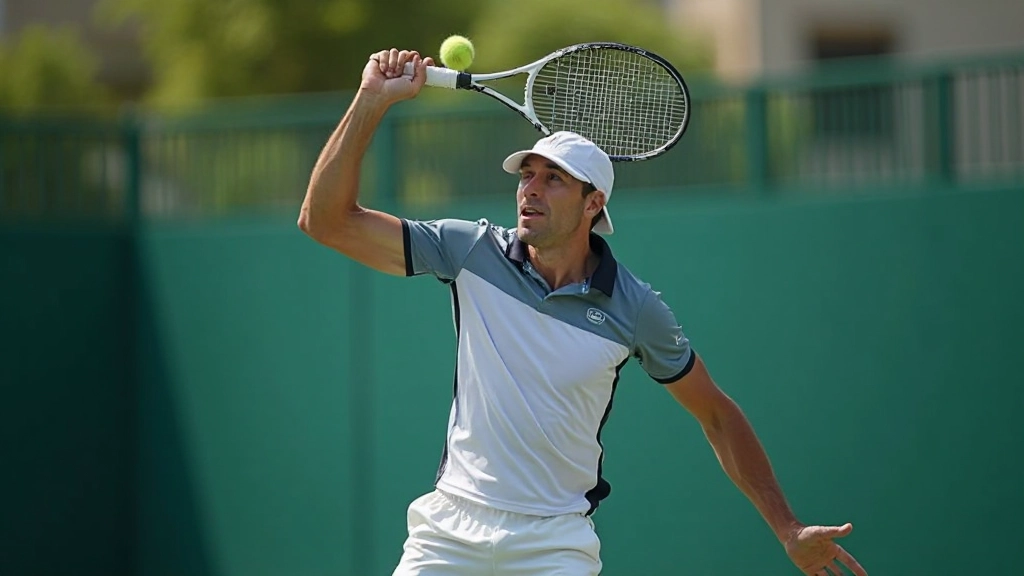
The forehand is typically the most powerful and aggressive stroke in tennis. Mastering this fundamental requires attention to grip, stance, and swing mechanics. A proper forehand begins with the correct grip—most modern players use the semi-western or western grip, which naturally closes the racket face and promotes a higher net clearance.
Your stance forms the foundation for consistent forehand execution. The closed or semi-open stance allows for proper weight transfer from your rear foot to your front foot. This weight transfer generates power through your legs and core, rather than relying solely on arm strength. As you initiate the stroke, your shoulders should rotate significantly, creating coil and tension that transfers through your body.

Mastering Backhand Execution
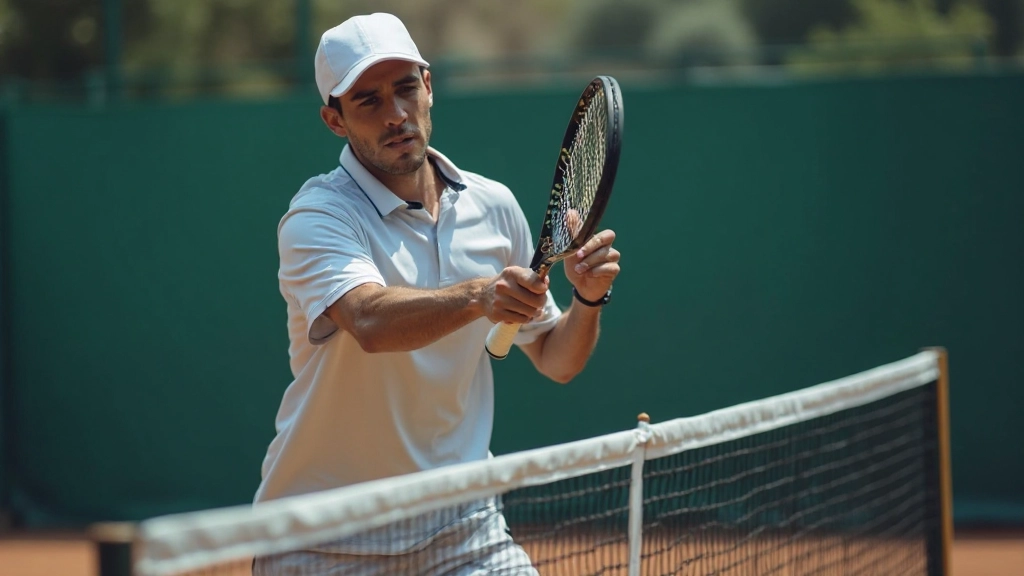
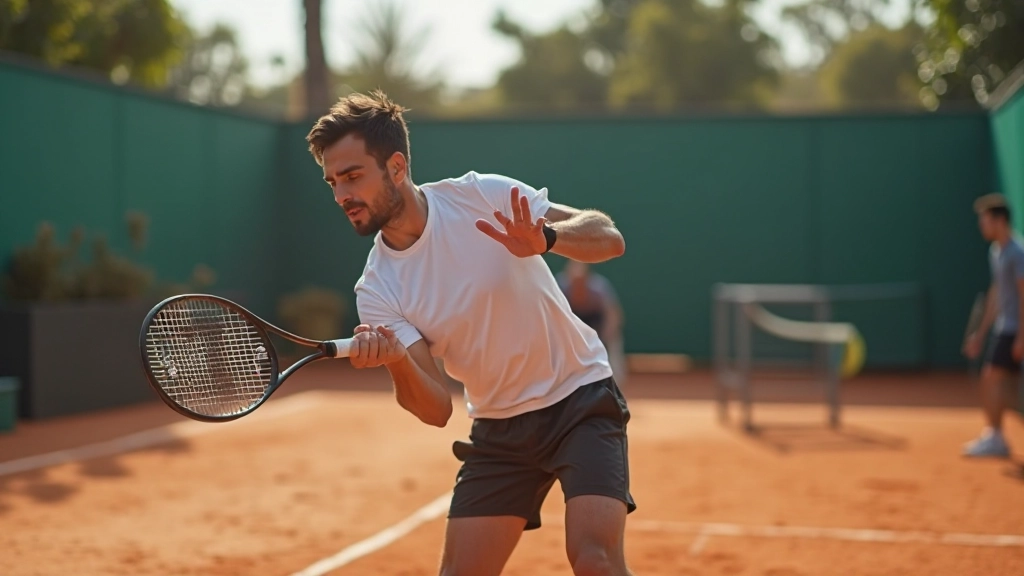
The backhand represents a critical component of a complete tennis game. While many recreational players view the backhand as a defensive stroke, modern competitive tennis requires an offensive backhand. The two-handed backhand has become the dominant style, offering greater stability, power, and control compared to the single-handed backhand.
With the two-handed backhand, your non-dominant hand provides stability while your dominant hand generates power. The grip transition is crucial—from your forehand grip, your non-dominant hand assumes a semi-western or western position. This configuration naturally closes the racket face and allows for topspin generation. Your stance should be slightly closed, with your shoulders rotating approximately 90 degrees during the backswing phase.
This article provides educational information about tennis techniques and training methods. The content represents general guidance and should not be considered personalized instruction. Individual results depend on numerous factors including skill level, physical condition, training frequency, and coaching quality. For optimal development, consider working with a qualified tennis instructor who can assess your specific needs and provide tailored feedback. Tennis involves physical activity that carries inherent risks; always ensure proper warm-up, use appropriate equipment, and train safely.
Footwork and Court Positioning
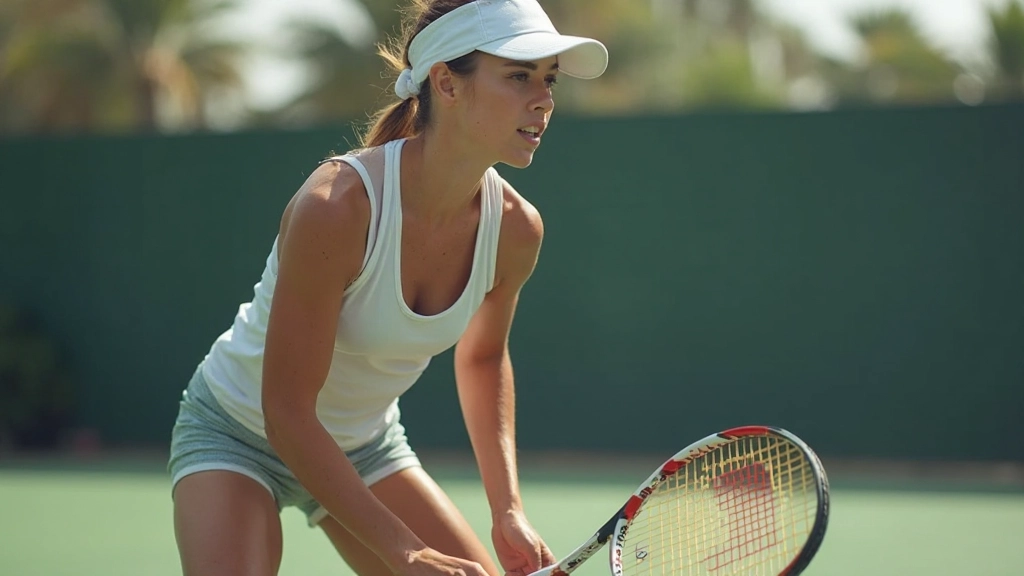
Footwork represents the often-overlooked foundation of both forehand and backhand strokes. Proper positioning and movement patterns determine your ability to generate power and maintain consistency. Tennis requires explosive movement combined with precise foot placement at contact. The split step—a small hop performed as your opponent makes contact with the ball—positions your feet optimally for movement in any direction.
After the split step, your movement toward the ball should follow efficient patterns. Small adjustment steps allow you to fine-tune your position for optimal contact. Your feet should be shoulder-width apart at contact, with your weight distributed to allow forward momentum through the shot. This forward movement, combined with proper ground contact, transfers leg drive through your core and into your upper body and racket arm.
Power Generation and Consistency Mechanics
Generating consistent power requires understanding the kinetic chain—the sequential transfer of energy from your lower body through your core to your upper body and racket. Modern tennis strokes emphasize lower body drive and core rotation rather than arm strength. This approach produces more reliable results and reduces injury risk by distributing forces across your entire body rather than concentrating stress on your shoulder and arm.
The follow-through completes the kinetic chain and indicates whether your stroke mechanics were executed properly. A complete follow-through demonstrates that your body weight transferred forward, your core rotated fully, and your arm accelerated through contact. Your follow-through should be natural and smooth, with your racket finishing across your body on the forehand and behind your shoulder on the backhand. This natural deceleration protects your shoulder from sudden stopping forces.
Consistency develops through repetition with proper mechanics. Each stroke practice session should emphasize form over ball striking. Developing muscle memory of correct positions and movements ensures that under pressure situations, your body executes proper technique automatically. Video analysis of your strokes provides valuable feedback, allowing you to identify mechanical inefficiencies and track improvement over time.