Get Started
Get Started
Expert Training Guide

Advanced Serve Techniques and Power Development

Master the biomechanics of explosive serves through systematic conditioning, precision targeting, and proven technical frameworks designed to enhance match performance and competitive edge.

Understanding Serve Biomechanics and Mechanical Principles

The tennis serve represents one of the most complex technical movements in sports, requiring coordinated engagement of multiple muscle groups and joint systems. A comprehensive understanding of biomechanical principles provides the foundation for developing effective serve mechanics that generate power while maintaining consistency and control.

The serve motion can be analyzed through several key phases: the stance and grip preparation, the loading phase where energy is stored in the kinetic chain, the acceleration phase where maximum velocity is generated, and the follow-through where deceleration occurs. Each phase presents specific technical considerations that influence overall serve effectiveness.
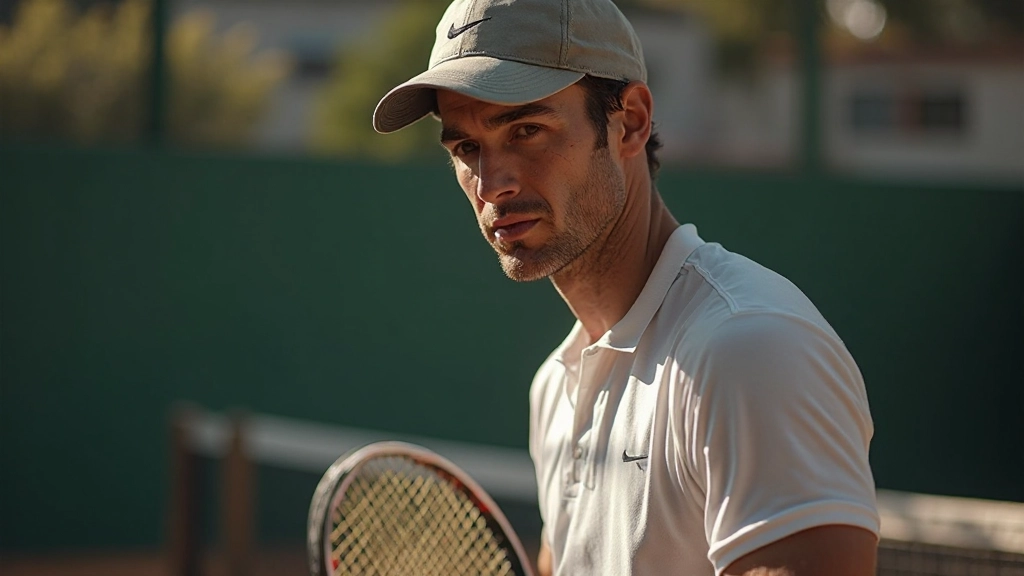
Tennis player demonstrating serve motion in professional training environment

The kinetic chain concept describes how energy transfers sequentially from the ground upward through the lower body, trunk, shoulder, arm, and finally through the racket. Efficient energy transfer depends on proper sequencing—ground force generation precedes trunk rotation, which precedes shoulder external rotation, which precedes elbow extension, and finally wrist acceleration. Breaking this sequence or introducing timing irregularities reduces power output and increases injury risk.

Key Biomechanical Components

  • Stance positioning: Weight distribution and base establishment determines balance and force production capability
  • Grip mechanics: Proper grip pressure and hand positioning influences racket head velocity and control precision
  • Shoulder rotation: External rotation amplitude determines potential power generation from shoulder deceleration
  • Wrist action: Proper wrist snap timing and acceleration contributes significantly to racket head speed
  • Pronation mechanics: Forearm pronation and racket face positioning influence ball spin characteristics
Conditioning Programs for Enhanced Power Generation

Developing serve power requires systematic conditioning that addresses both general strength development and sport-specific power characteristics. A comprehensive program integrates lower body power development, core stability and rotational strength, upper body strength and stability, and reactive neuromuscular training.

Training Methodology Overview

Effective conditioning combines foundational strength work with explosive power development and movement-specific training. This systematic progression allows athletes to develop the force production capacity and neuromuscular coordination required for consistent high-velocity serves.

Lower Body Power Development

The lower body serves as the foundation for serve power generation, providing ground reaction forces that initiate the kinetic chain. Effective lower body conditioning includes squat variations for strength development, explosive movements like medicine ball throws for power development, and single-leg exercises for stability and coordination.

  • Barbell back squats for foundational leg strength and hip extension power
  • Bulgarian split squats for single-leg stability and asymmetrical strength development
  • Depth jumps and box jumps for reactive strength and explosive power
  • Single-leg hops and lateral bounds for stability and multi-directional power
  • Medicine ball exercises for power transfer and rotational development

Core and Rotational Strength

Core stability and rotational power directly influence serve velocity and consistency. The core functions to stabilize the trunk while allowing efficient rotational movement during the serve. Comprehensive core conditioning includes anti-rotation exercises, rotational power development, and dynamic stability work specific to serve mechanics.

  • Pallof presses and anti-rotation holds for stabilization under load
  • Rotational medicine ball slams and throws for power development
  • Woodchop movements for diagonal rotation patterns
  • Dead bugs and bird dogs for segmental stability
  • Sled pushes and farmer carries for integrated core strength

Educational Information and Disclaimer

This content provides educational information regarding tennis serve techniques and conditioning principles. The material presented represents general approaches to training methodology and should not be considered professional coaching or medical advice. Individual circumstances, physical condition, experience level, and specific needs vary considerably among athletes.

Before implementing any conditioning program or modifying serve technique, athletes should consult with qualified coaching professionals and medical practitioners. Proper assessment, individualized programming, and supervised practice are essential for effective and safe skill development. Results from training programs depend on numerous factors including effort, consistency, proper execution, and individual physical characteristics.

Precision Targeting and Serve Placement Strategies

While power generation forms one component of serve effectiveness, precision targeting and strategic placement determine match success. Advanced players develop the ability to direct serves with consistency to specific court locations while varying speed, spin, and trajectory. This combination of power and placement creates tactical advantage and increases return difficulty.

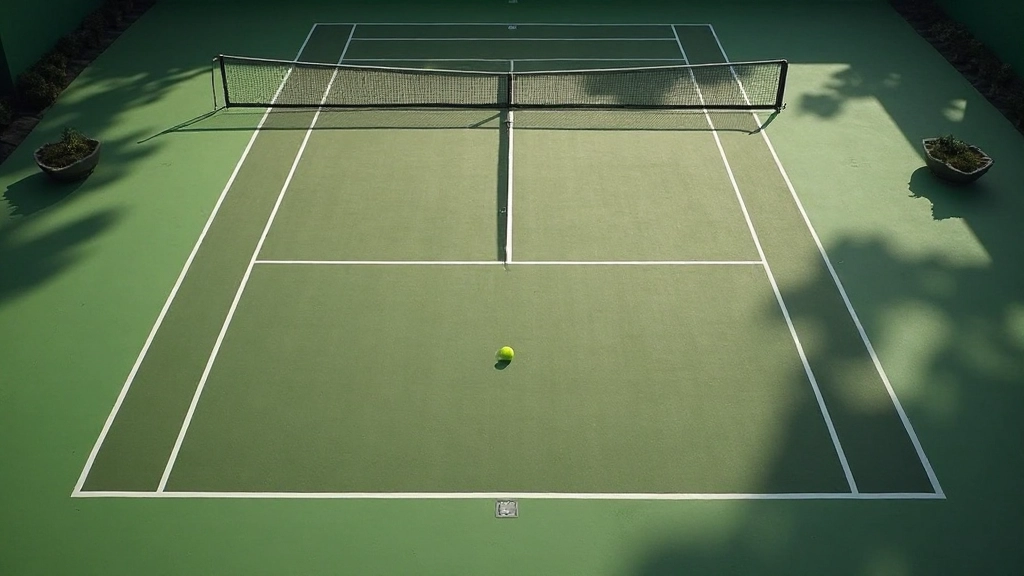
Professional tennis court view showing service box targets and strategic positioning

Court Positioning and Target Recognition

Strategic serve placement requires understanding court geometry and opponent positioning. The service box offers multiple target zones: the corner for wide serves that push opponents outside the court, the center T for serves that limit angles, and the body line for serves that restrict movement and reaction time. Developing consistency to each zone requires focused practice with specific targets.

  1. Wide court serves: Direct serves toward the sideline to create wider angles and force opponents into defensive positioning at the service line
  2. Center service positioning: Serves directed down the center T reduce the returner's angles and simplify court coverage
  3. Body line serves: Serves directed toward the returner's torso limit movement options and create uncomfortable hitting positions
  4. Spin variation: Different spin rates and directions create different bounce patterns and ball trajectories that affect return preparation
  5. Speed variation: Mixing serve velocities prevents return rhythm development and creates timing challenges for returners

Competitive Serve Selection

Match success depends on selecting appropriate serve strategies based on opponent tendencies, match situation, and personal strengths. First-serve decisions differ from second-serve considerations, and serve selection should adapt to specific match conditions and tactical requirements.

Training Protocols and Systematic Practice Development

Effective serve development requires structured training protocols that systematically address technical, physical, and tactical components. Training frameworks should progress from foundational skill development through intermediate refinement to advanced competitive application. This systematic progression allows athletes to develop comprehensive serve capabilities that perform reliably under match conditions.

Technical Development Progression

  • Phase 1 - Fundamentals: Establish proper stance, grip, ball toss, and basic motion sequence with focus on consistency over power
  • Phase 2 - Timing refinement: Develop coordinated timing between different motion phases and improve kinetic chain sequencing
  • Phase 3 - Power development: Incorporate explosive movements and power training to increase serve velocity
  • Phase 4 - Precision integration: Combine power development with accurate targeting to specific court locations
  • Phase 5 - Match application: Apply developed serves under competitive conditions with appropriate selection strategies

Practice Frameworks and Drill Structures

Serve development requires consistent practice with varied drill structures that address different training objectives. Effective practice sessions combine technical refinement drills, power development work, and competitive simulation training. Practice intensity, volume, and structure should progress systematically to support skill development and physical adaptation.

  • Technical drills focusing on specific motion components and sequencing
  • Target practice emphasizing accuracy to designated court zones
  • High-velocity serves with maximum effort to develop power capabilities
  • Competitive simulation with point-based serve selection requirements
  • Fatigue-state practice to assess serve reliability during match conditions

Consistent progression in serve development requires systematic training over extended periods. Athletes should track technical performance metrics, serve velocity measurements, and placement accuracy to monitor improvement and identify areas requiring additional focus. This data-informed approach supports evidence-based training adjustments and helps athletes understand their development trajectory.